
Blog
What Is The Viral T13 Action Figure Trend 2026
Jan
Understanding the Viral Trend of T13 Action figures in 2026
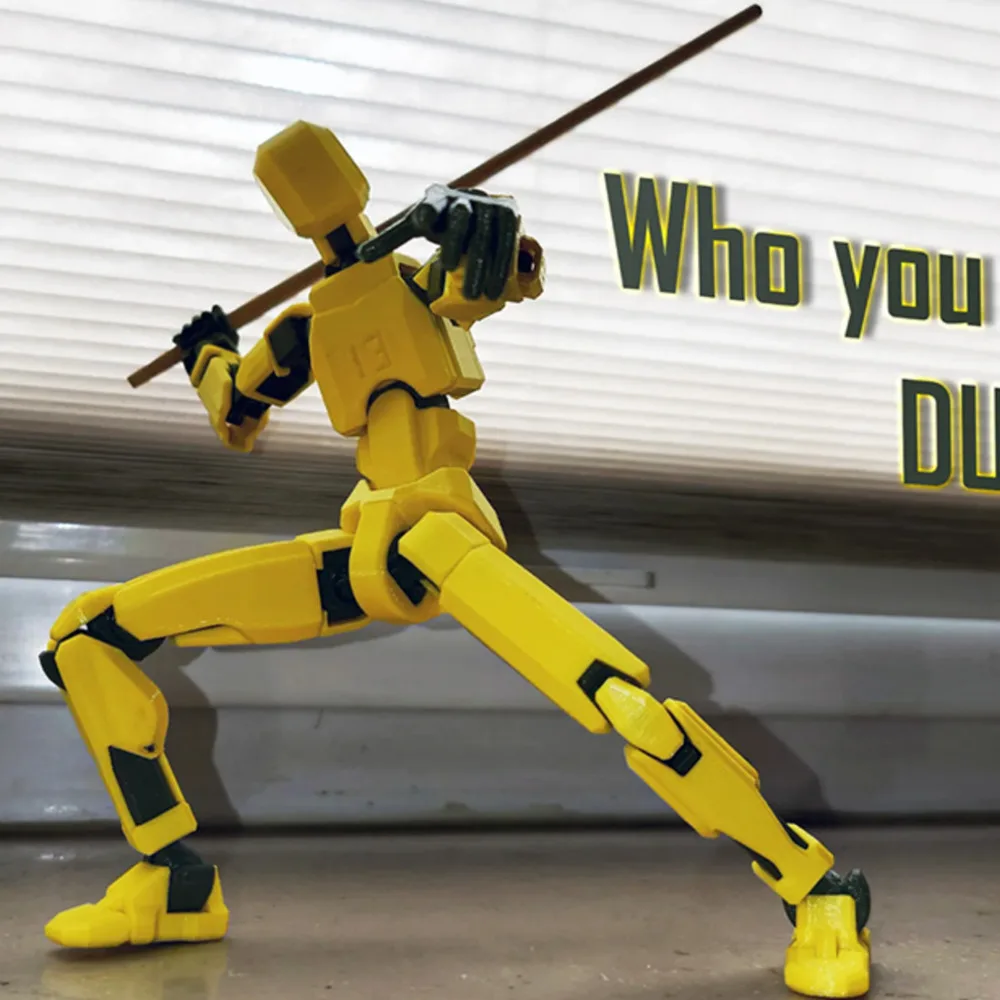
Defining T13 and Lucky 13: The Rise of 3D Printed Articulated Figures
These figures have gained immense popularity due to their customizable features and engaging designs, appealing to both collectors and casual users alike. The ability to create unique poses and expressions makes them a favorite among enthusiasts who appreciate the blend of art and engineering.
Key Factors Behind Their Viral Popularity
1. TikTok Trends Fueling Engagement
One of the primary drivers behind the viral success of T13 action figures is their presence on social media platforms, notably TikTok. Users have embraced these figures in creative ways, showcasing their versatility through short videos that highlight various poses or modifications. This trend has not only increased visibility but also encouraged others to join in on the fun by sharing their own creations.
2. ASMR Appeal Enhancing User Experience
Another notable aspect contributing to the popularity of these figures is their potential for ASMR (Autonomous Sensory Meridian Response) experiences. The satisfying sounds produced when manipulating these articulated toys—such as clicking joints or gentle movements—have captivated audiences seeking relaxation or sensory stimulation. This unique feature sets them apart from traditional toys, making them more appealing for a broader audience.
3. Transition from Open Source Maker Culture to Mainstream Fidget Toys
The evolution from niche open-source maker culture into mainstream fidget toy markets marks a notable shift in how products like T13 are perceived and consumed. Initially celebrated within DIY communities for their customizable nature, these action figures have now transcended into popular culture as stress-relief tools that cater to individuals looking for tactile engagement during daily activities or work environments.
Conclusion: A New Era for Articulated Figures
As we move further into 2026, it’s clear that trends surrounding T13 action figures reflect broader societal shifts towards interactive playthings that combine creativity with functionality. With ongoing developments in materials like PLA filament enhancing production capabilities, we can expect this trend not only to persist but also evolve as new technologies emerge within the realm of toy design.
