Blog
Difference Between T13 And Dummy 13 Figures
Jan
Understanding the Distinctions Between T13 and Dummy 13 figures
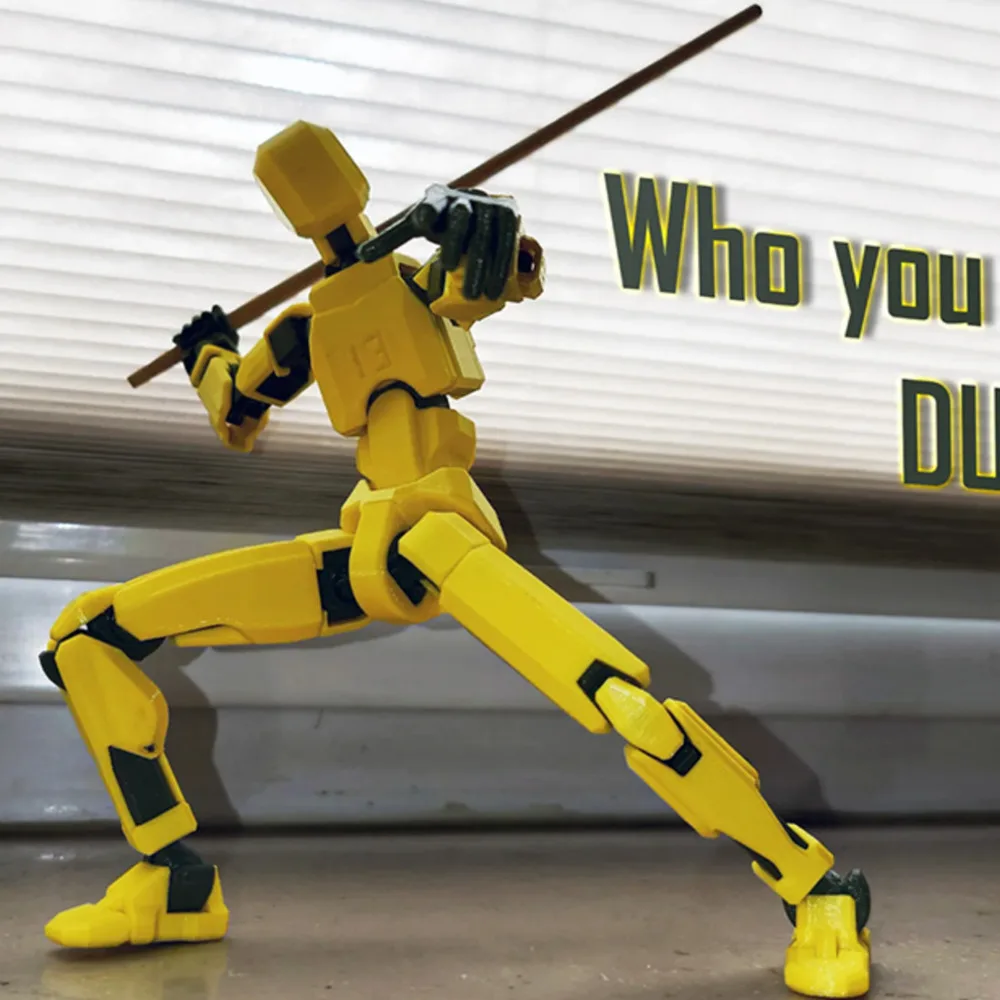
When it comes to miniature figures, particularly in the realm of tabletop gaming, the choice between T13 and Dummy 13 models can significantly impact both gameplay and aesthetics. This article delves into thier unique characteristics, focusing on armor plating design, head shape variations, and practical considerations for painting versus play.
Armor Plating Design: A Closer Look
One of the most notable differences between T13 and Dummy 13 figures lies in their armor plating.
- T13 Armor Features: The T13 model boasts a more intricate armor design that emphasizes realism with detailed textures and layered components. This complexity not only enhances its visual appeal but also provides a robust structure that can withstand handling during gameplay.
- Dummy 13 Armor Characteristics: In contrast, the Dummy 13 features a simplified armor layout. While it may lack some of the finer details found in T13 models, this streamlined approach allows for easier production processes without compromising durability.
Head Shape Variations
The head shapes of these two figures also present distinct differences that cater to various aesthetic preferences.
- T13 Head Design: The head of a T13 figure is sculpted with sharp angles and defined features that contribute to an aggressive stance. This design is ideal for players looking to create imposing characters on the battlefield.
- Dummy 13 Head Structure: Conversely, Dummy 13 heads are designed with softer curves and less pronounced features. This results in a more approachable appearance which may appeal to those who prefer whimsical or less intimidating character designs.
Comparison Feature List
To further clarify their differences, here’s a comparison feature list highlighting key articulation points:
| Feature | T13 Model | Dummy 13 Model |
|————————|——————————-|——————————|
| Armor Detail | Highly detailed | Simplified |
| Durability | High | Moderate |
| articulation Points | Multiple joints for dynamic poses | Limited movement options |
| printing Complexity | More complex | Easier |
This table illustrates how each model caters to different needs—whether you prioritize detail or ease of use during assembly.
Painting vs Pure Play: which Model Reigns supreme?
When considering which model excels in painting versus pure play scenarios:
Best for Painting
The intricacies found in the T13 figure make it an excellent choice for hobbyists who enjoy spending time on paint jobs. its detailed surfaces allow artists to showcase their skills through shading techniques and color blending.
Best for Gameplay
On the other hand, if your primary focus is gameplay rather than aesthetics, than opting for Dummy 13 might be advantageous due to its straightforward assembly process. with fewer details requiring attention during painting sessions, players can quickly get back into action without sacrificing performance on game day.both T13 and Dummy 13 figures offer unique advantages depending on your priorities—be it artistic expression or efficient gameplay dynamics. By understanding these distinctions better, you can make an informed decision tailored specifically to your gaming style or collection goals.
