Blog
History Of T13 Figures From 3D Print To Retail
Jan
Evolution of T13 Figures: From 3D Printing to Mass Production
The Journey of Soozafone and the Shift to Injection Molding
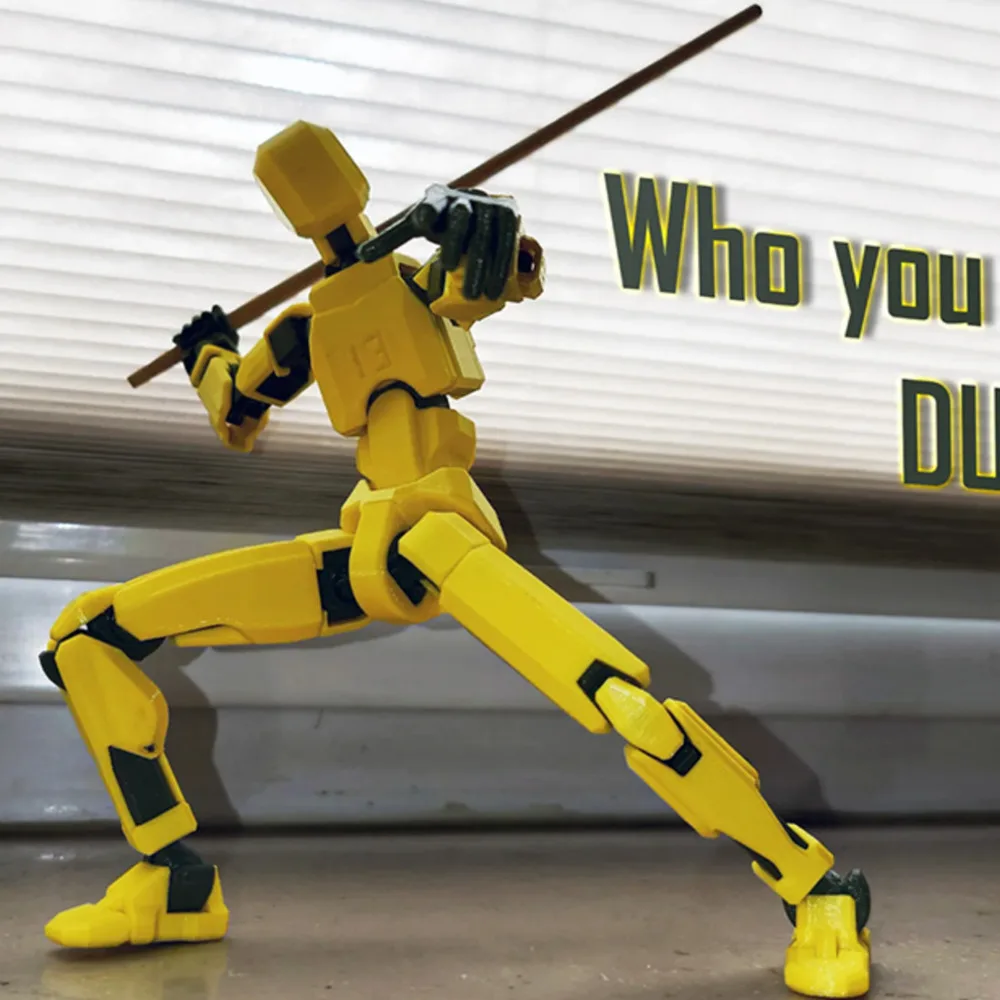
Soozafone, a pioneering figure in the realm of collectible toys, has considerably influenced the industry with its innovative approach. Initially, T13 figures were crafted using 3D printing technology, allowing for unique designs and rapid prototyping. Though, as demand surged, Soozafone recognized the need for a more efficient production method. This led to a strategic transition towards mass injection molding—a process that not only enhances production speed but also ensures consistency in quality across large batches.
A Comparative Timeline: Version 13 vs. Dummy 13
To understand the evolution from version 13 to Dummy 13 figures, it is essential to examine their development timelines:
- Version 13 Launch: Introduced as an exclusive collectible with intricate details and limited availability.
- Dummy 13 Introduction: Created as a prototype or placeholder model designed for testing purposes before finalizing production.
The key differences between these two versions lie in their intended use; while Version 13 was aimed at collectors seeking authenticity and uniqueness, Dummy 13 served primarily as a developmental tool within Soozafone’s design process.
Key Milestones:
- initial Concept (Year X): The idea behind T13 figures was born out of a desire for customizable collectibles.
- Frist Prototype (Year Y): The first iteration was produced using advanced 3D printing techniques.
- Transition Phase (Year Z): As popularity grew, plans were set into motion for mass injection molding.
This timeline illustrates how Soozafone adapted its strategies in response to market demands while maintaining high standards of craftsmanship.
Understanding Creative Commons vs. commercial Retail Licenses
A crucial aspect of this evolution involves navigating legal frameworks surrounding intellectual property rights—specifically between Creative Commons licenses and commercial retail agreements.
Creative Commons licenses allow creators like Soozafone to share their work freely under certain conditions while retaining some rights over its use. This flexibility encourages collaboration and innovation within creative communities but can complicate commercial endeavors if not properly managed.
In contrast, commercial retail licenses provide exclusive rights that protect products from unauthorized reproduction or distribution by third parties. For companies transitioning from creative projects like T13 figures into mainstream retail markets, understanding these distinctions is vital for safeguarding their intellectual property while maximizing market potential.
Conclusion
The transformation of T13 figures from initial prototypes created through innovative technologies like 3D printing into widely available collectibles via mass injection molding marks an critically important chapter in toy manufacturing history. By examining this journey alongside legal considerations regarding licensing practices, we gain insight into both the challenges and opportunities faced by creators navigating today’s dynamic marketplace.
