
Blog
Stop Motion Animation Guide For T13 Beginners
Jan
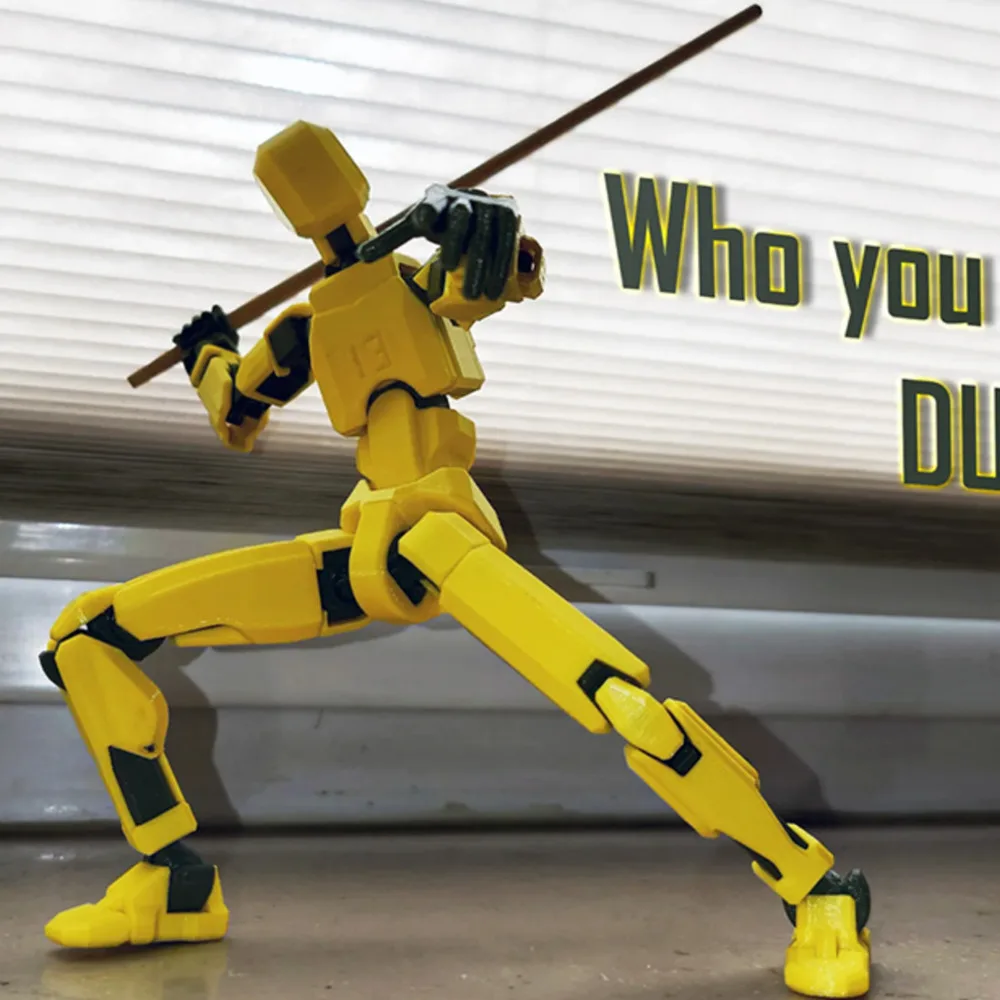
A Comprehensive Guide to Stop Motion Animation for T13 Newcomers
Understanding Rigging Techniques with Helping Hands and Sticky Tack
When embarking on your stop motion animation journey,mastering rigging techniques is essential. Utilizing tools like helping hands and sticky tack can significantly enhance your ability to pose small figures effectively.Helping hands,which consist of adjustable arms with clips,provide stability and support for your characters during the animation process. By securing the figure in place, you can focus on capturing each frame without worrying about unwanted movement.
Sticky tack serves as an excellent companion to helping hands. This malleable adhesive allows you to attach figures securely to surfaces or props while maintaining flexibility in thier poses. By applying a small amount of sticky tack at strategic points on your character’s feet or base, you ensure that they remain stable throughout the shooting process.
Frame Rates: The Key to Fluid Motion
Frame rates play a crucial role in determining the smoothness of your animations. For beginners using T13 techniques, a common frame rate is 12 frames per second (fps), which means you’ll need 12 distinct images for every second of animated footage. However, experimenting with higher frame rates—such as 24 fps—can yield more fluid motion but requires double the number of frames.
One meaningful advantage of tight joints in your figures is their ability to hold poses without collapsing under their weight or shifting unexpectedly between shots. This stability allows animators greater freedom when creating dynamic scenes as they can maintain consistent positioning across multiple frames.
lighting Tips for Macro Photography
proper lighting is vital when photographing small figures in stop motion animation; it enhances detail and ensures clarity in each shot. Here are some effective lighting strategies:
- Use Soft Light Sources: To avoid harsh shadows that can distract from intricate details, opt for soft light sources such as diffused LED panels or softboxes.
- Positioning: Place lights at various angles around your setup to create even illumination across all elements within the frame.
- Control Ambient Light: Minimize external light interference by working in a controlled environment where you can manage natural light sources effectively.
- Experiment with Colour Temperature: Adjusting color temperature settings on your camera will help achieve accurate colors and tones that reflect true-to-life appearances of materials used in your models.
By implementing these lighting tips alongside effective rigging techniques and understanding frame rates, you’ll be well-equipped to create captivating stop motion animations that resonate with viewers while showcasing the artistry involved in this unique medium.
